
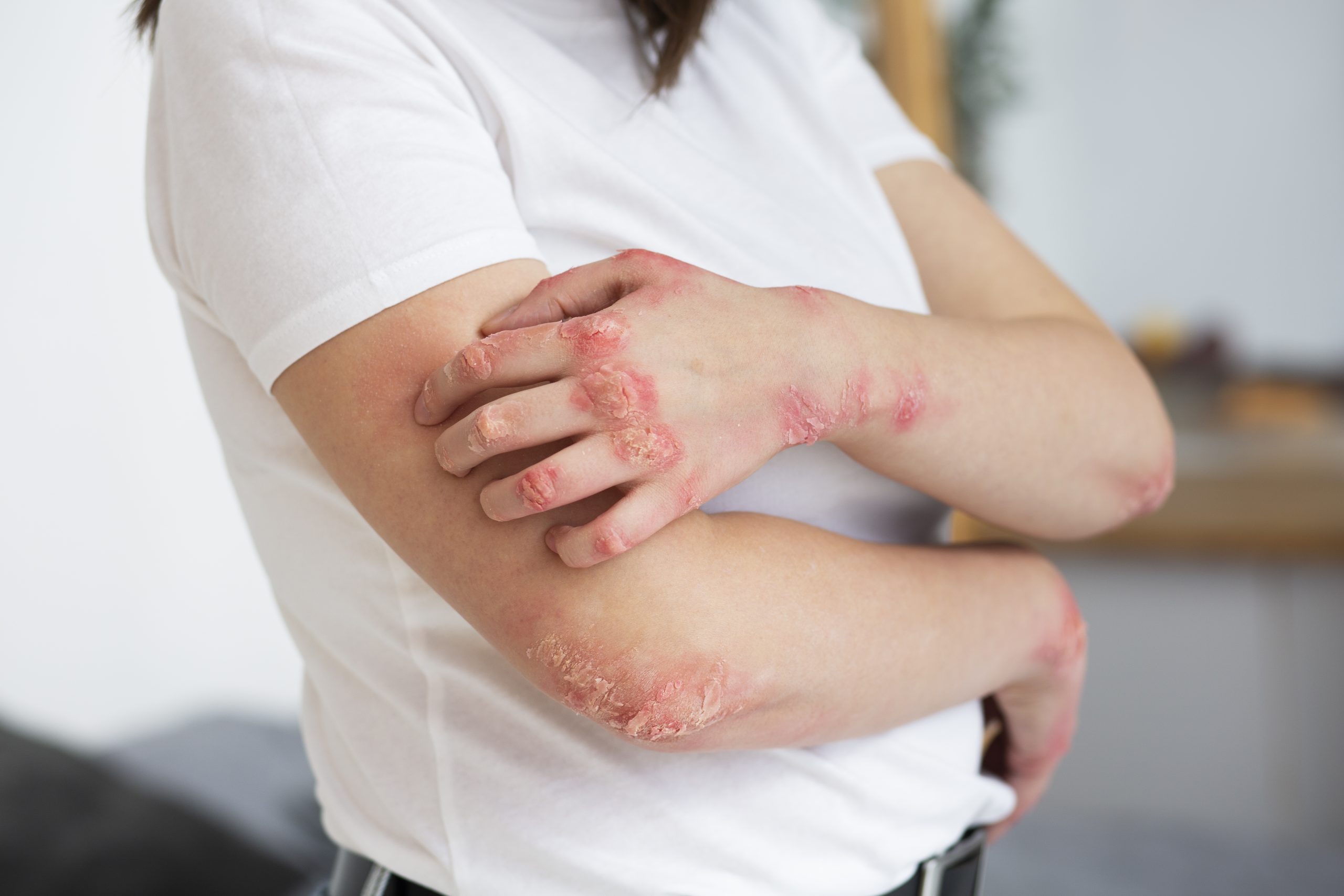
Skin is the body’s largest organ and the first line of defense against infection and injury. It’s also incredibly sensitive to internal and external changes. One of the most common signs of skin trouble is a rash—an area of irritated or swollen skin that can be itchy, red, painful, or inflamed.
Skin rashes can affect people of all ages and backgrounds. Some are minor and temporary, while others may indicate a more serious underlying condition. In this comprehensive blog, we’ll explore the causes, types, symptoms, and treatment options for skin rashes—plus helpful tips for managing them at home.
What is a Skin Rash?
A skin rash is a noticeable change in the skin’s appearance, texture, or color. It can present as redness, bumps, dryness, blisters, or scaling. Rashes can appear on a small area or cover the entire body, and may occur suddenly or develop over time.
Some rashes resolve on their own, while others require medical treatment. Identifying the cause is key to finding the right remedy.
Common Causes of Skin Rashes
Skin rashes may be caused by a variety of factors. Here are some of the most common causes:
1. Allergic Reactions
When the immune system reacts to a foreign substance (allergen), it can trigger skin irritation. Common allergens include:
- Pollen
- Pet dander
- Certain foods
- Medications
- Insect bites
- Nickel or latex
2. Contact Dermatitis
This rash occurs when the skin comes into contact with an irritant or allergen like soaps, detergents, cosmetics, or chemicals. It usually appears as red, itchy patches.
3. Infections
Fungal, bacterial, and viral infections can all cause rashes:
- Fungal: Ringworm, athlete’s foot, yeast infections
- Bacterial: Impetigo, cellulitis
- Viral: Chickenpox, measles, shingles
4. Autoimmune Disorders
Conditions where the body attacks its own tissues can result in rashes. Examples include:
- Psoriasis
- Lupus
- Dermatomyositis
5. Heat and Sweat
Excessive sweating or blocked sweat glands may lead to heat rash, especially in hot and humid climates.
6. Chronic Skin Conditions
Some rashes are part of long-term skin conditions, such as:
- Eczema (atopic dermatitis)
- Rosacea
- Seborrheic dermatitis
7. Medications
Certain drugs can cause skin rashes as side effects or allergic reactions. Antibiotics, NSAIDs, and anti-seizure medications are common culprits.
Types of Skin Rashes
Identifying the type of rash can help in diagnosing and treating the condition. Below are common types:
1. Eczema (Atopic Dermatitis)
- Chronic condition
- Red, dry, itchy patches, often in the folds of arms or legs
- Can be triggered by stress, allergens, or weather changes
2. Contact Dermatitis
- Localized rash where skin touched an irritant or allergen
- Red, itchy, and may blister
3. Psoriasis
- Autoimmune condition
- Thick, scaly, silver-white patches on the skin, especially elbows, knees, and scalp
4. Heat Rash (Prickly Heat)
- Appears as small red or pink bumps
- Caused by blocked sweat glands
- Common in hot, humid weather
5. Hives (Urticaria)
- Raised, red, itchy welts on the skin
- Can appear suddenly and fade quickly
- Triggered by allergens, stress, or infections
6. Ringworm
- Fungal infection
- Circular, red rash with clearer skin in the center
- Highly contagious
7. Shingles
- Caused by the varicella-zoster virus (same as chickenpox)
- Painful, blistering rash on one side of the body or face
- May be accompanied by fever or fatigue
8. Rosacea
- Chronic facial rash
- Redness, visible blood vessels, and sometimes acne-like bumps
Symptoms That May Accompany Rashes
In addition to visible skin changes, rashes may come with other symptoms:
- Itching or burning
- Pain or tenderness
- Blisters or oozing
- Swelling or warmth
- Fever (in infections)
- Dry or cracked skin
- Scaling or peeling
Knowing these additional signs can help your doctor diagnose the root cause more effectively.
When to See a Doctor
While many rashes are harmless and can be treated at home, some situations require medical attention:
- Rash is spreading rapidly
- Severe pain, fever, or swelling
- Rash is oozing or infected
- No improvement after home treatment
- Rash affects eyes, mouth, or genitals
- Difficulty breathing or signs of anaphylaxis
Seek immediate help if you suspect a serious allergic reaction or infection.