
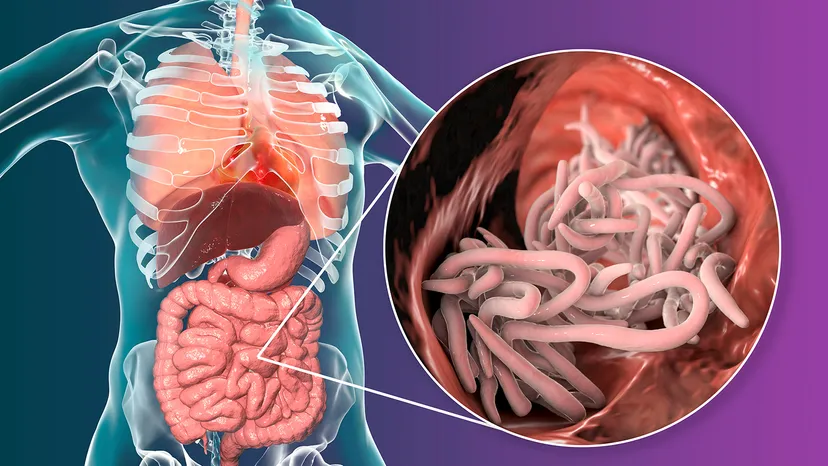
Stomach worms, also known as intestinal parasites, are a hidden yet surprisingly common health issue. These tiny organisms live in the digestive tract, often unnoticed, feeding on the host’s nutrients and causing a range of health problems—from mild digestive discomfort to severe nutritional deficiencies.
Though often associated with poor sanitation or underdeveloped regions, stomach worms can affect anyone, regardless of age or location. In this blog, we’ll explore what stomach worms are, how they spread, their symptoms, diagnosis, treatment, and most importantly—how to prevent them.
What Are Stomach Worms?
Stomach worms are parasitic worms that inhabit the gastrointestinal (GI) tract. They feed off nutrients from the host’s body and reproduce rapidly, potentially causing various health complications. They are especially common in children but can infect adults as well.
The most common types include:
1. Roundworms (Ascaris)
Long, cylindrical worms that can grow up to 30 cm in length. They often infect the small intestine.
2. Hookworms
These small worms attach to the intestinal lining and feed on blood, leading to anemia and weakness.
3. Pinworms (Threadworms)
Tiny white worms that live in the colon and rectum, often causing intense anal itching, especially at night.
4. Tapeworms
Flat, ribbon-like worms that can grow several meters long and live in the intestines, absorbing nutrients directly from the host’s food.
How Do Stomach Worms Spread?
Stomach worms typically spread through contaminated food, water, or surfaces. Here are common transmission routes:
- Eating raw or undercooked meat or fish
- Drinking or coming into contact with contaminated water
- Poor hygiene or lack of handwashing
- Walking barefoot on contaminated soil (common with hookworms)
- Ingesting eggs from contaminated fingers, bedding, or clothing (pinworms)
Children are particularly vulnerable due to frequent hand-to-mouth activity and exposure to unclean surfaces.
Symptoms of Stomach Worm Infection
While some people may carry worms without noticeable symptoms, others can experience a wide range of signs depending on the type of worm and the severity of the infection:
Common Symptoms:
- Abdominal pain or cramps
- Diarrhea or constipation
- Bloating or gas
- Nausea or vomiting
- Itching around the anus (especially in pinworms)
- Fatigue or weakness
- Weight loss despite normal appetite
- Visible worms or segments in stool
- Nutritional deficiencies (like iron or vitamin B12)
In severe cases, intestinal blockage or chronic malnutrition can occur, especially in children.
Diagnosing Stomach Worms
If a parasitic infection is suspected, your doctor may recommend the following:
1. Stool Test
A sample of your stool is examined under a microscope for eggs or worm segments.
2. Tape Test
Often used for pinworms, a piece of clear tape is applied around the anus in the morning to collect worm eggs for laboratory analysis.
3. Blood Test
Some parasitic infections trigger elevated levels of certain white blood cells (eosinophils), which can be detected through a blood test.
4. Imaging or Endoscopy
In rare cases, imaging studies or endoscopy may be used to detect larger infestations like tapeworms.
Treatment Options for Stomach Worms
The good news is that most parasitic worm infections are treatable with medication. Treatment usually involves:
1. Antiparasitic Medications
Common medications include:
- Albendazole or Mebendazole – Effective against roundworms, hookworms, and whipworms
- Pyrantel pamoate – Commonly used for pinworms
- Praziquantel – Used for tapeworm infections
These drugs usually work by paralyzing or killing the worms, which are then expelled naturally through the stool.
2. Repeat Doses
In some cases, especially with pinworms, a second dose is given 2–3 weeks later to eliminate any newly hatched worms.
3. Treating the Whole Family
Because worms spread easily, especially among children, doctors often recommend treating all household members at the same time.
Home Remedies and Supportive Care
While medications are essential for clearing worm infections, some natural remedies and dietary support can help:
- Garlic: Known for its anti-parasitic properties, raw garlic can help fight worms.
- Papaya Seeds: Contain enzymes that may help expel intestinal worms.
- Pumpkin Seeds: Rich in cucurbitacin, which may paralyze worms and aid removal.
- Fiber-Rich Foods: Help move waste and parasites out of the system.
- Hydration: Drinking plenty of water helps flush toxins and dead worms.
Note: Always consult a doctor before using natural remedies, especially for children or during pregnancy.
Preventing Stomach Worm Infections
Prevention is key to avoiding the discomfort and health risks associated with parasitic worms. Here’s how you can protect yourself and your family:
1. Maintain Hygiene
- Wash hands with soap after using the toilet and before eating.
- Keep nails trimmed and clean.
- Avoid touching your face with unwashed hands.
2. Cook Food Properly
- Avoid raw or undercooked meat and seafood.
- Wash fruits and vegetables thoroughly.
3. Drink Safe Water
- Use filtered or boiled water in areas where water quality is questionable.
- Avoid drinking untreated water from rivers or lakes.
4. Wear Footwear
- Always wear shoes or slippers when walking outdoors, especially in soil.
5. Regular Deworming
- In high-risk areas or for children, regular deworming (every 6–12 months) is recommended.
- Many countries run national deworming programs through schools.
Stomach Worms in Children
Children are more prone to worm infections due to their weaker immunity and tendency to play in dirt or skip handwashing. Watch for:
- Persistent itching around the anus
- Grinding teeth at night
- Poor growth or appetite
- Behavioral changes
Pediatricians often recommend routine deworming every 6 months for children above 1 year of age in endemic areas.