
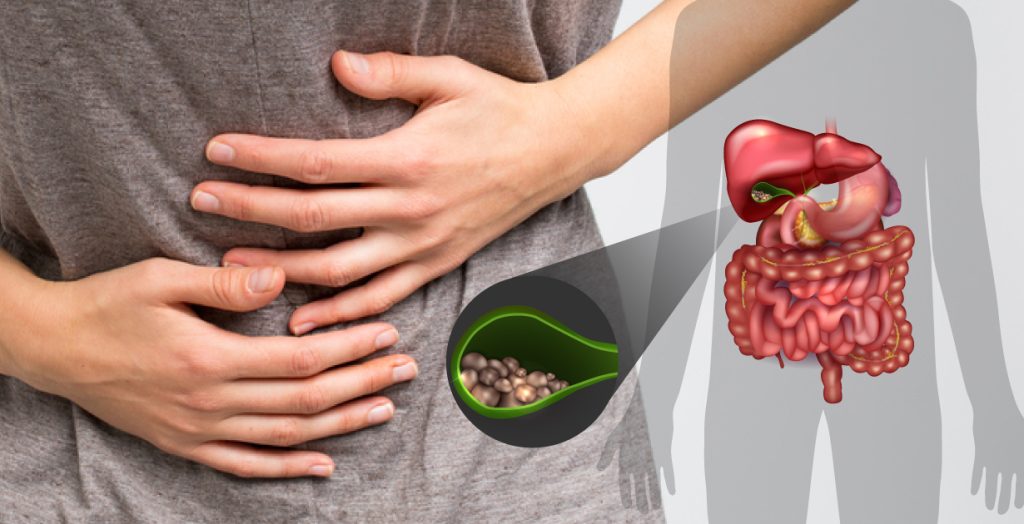
Gallbladder stones, or gallstones, are hardened deposits of digestive fluid that can form in the gallbladder. They can cause discomfort, digestive problems, and even serious health complications if left unmanaged. While some cases may require medical or surgical intervention, one of the most effective ways to manage and prevent gallstones is through diet.
In this blog post, we’ll explore the best diet for gallbladder stones, including foods to eat, foods to avoid, and practical tips to keep your digestive system healthy.
🌿 Why Diet Matters for Gallbladder Stones
The gallbladder stores and releases bile, which helps digest fats. When there’s an imbalance in the substances that make up bile (like cholesterol or bilirubin), stones can form. A healthy diet can help regulate these levels, reduce inflammation, and support smooth digestion, reducing the risk of stone formation and gallbladder attacks.
✅ Foods to Eat for Gallbladder Stones
A gallbladder-friendly diet focuses on high-fiber, low-fat, and nutrient-rich foods. Here are the top picks:
1. Fruits and Vegetables
- Rich in fiber, antioxidants, and water content
- Helps in digestion and prevents bile from becoming too concentrated
Best choices: Apples, pears, berries, citrus fruits, spinach, kale, broccoli, carrots, cucumbers
2. Whole Grains
- Fiber helps move food through the digestive tract and lowers cholesterol
Include: Brown rice, oats, quinoa, whole wheat bread, barley
3. Lean Proteins
- Easy to digest and less likely to trigger gallbladder symptoms
Examples: Skinless chicken, turkey, tofu, lentils, legumes, fish (especially omega-3 rich fish like salmon and sardines)
4. Healthy Fats (in moderation)
- Necessary for bile production, but should be used wisely
Sources: Olive oil, flaxseeds, avocados, nuts (small quantities)
5. Low-Fat Dairy
- High-fat dairy can trigger symptoms, so opt for low-fat versions
Try: Low-fat yogurt, skim milk, reduced-fat cheese
6. Plenty of Water
- Staying hydrated helps keep bile thin and flowing
❌ Foods to Avoid with Gallbladder Stones
Avoiding the wrong foods is just as important as eating the right ones. Fatty, processed, and cholesterol-rich foods are common culprits.
1. Fried and Fatty Foods
- Can trigger gallbladder attacks
Avoid: French fries, fried chicken, burgers, greasy snacks
2. Processed and Refined Foods
- Lack fiber and may raise cholesterol levels
Limit: White bread, pastries, cookies, processed meats
3. Full-Fat Dairy Products
- High in saturated fat
Avoid: Whole milk, butter, cream, cheese, ice cream
4. Red and Processed Meats
- Harder to digest and high in unhealthy fats
Avoid: Beef, pork, sausages, bacon
5. Sugary Foods and Drinks
- Excess sugar may increase cholesterol in bile
Avoid: Soda, candy, sweetened beverages, cakes
💡 Tips for a Gallbladder-Friendly Lifestyle
- Eat Smaller, Frequent Meals – Large meals can strain the gallbladder.
- Lose Weight Gradually – Rapid weight loss can trigger stone formation.
- Exercise Regularly – Physical activity improves overall digestion.
- Avoid Skipping Meals – Regular eating patterns help regulate bile flow.
- Limit Alcohol and Caffeine – These can irritate the digestive system.
🥗 Sample One-Day Gallbladder-Friendly Meal Plan
Breakfast:
Oatmeal with sliced bananas and a handful of walnuts
Lunch:
Grilled chicken salad with olive oil dressing and whole grain bread
Snack:
Low-fat yogurt and an apple
Dinner:
Baked salmon, steamed broccoli, and brown rice
Drinks:
Plenty of water and herbal teas
🩺 Final Thoughts
Managing gallbladder stones through diet is a proactive and effective approach to reducing symptoms and avoiding complications. A balanced, low-fat, high-fiber diet not only supports your gallbladder but also improves overall digestive and heart health.
If you’re experiencing frequent gallbladder pain or suspect gallstones, consult a healthcare professional. In some cases, dietary changes may need to be accompanied by medication or surgery.